Olive Oil Cake
Olive oil cake is a surprisingly moist and flavorful dessert that has its roots in Mediterranean cuisine. With a rich texture and a hint of citrus, this cake is perfect for both everyday enjoyment and special occasions. Using olive oil instead of traditional butter not only adds a unique flavor but also makes the cake healthier, allowing the natural ingredients to shine through. The addition of fresh lemon juice and zest brings a refreshing brightness to the cake, making it a delightful treat any time of the year. Whether served as a sweet finish to a meal or paired with afternoon tea, olive oil cake offers a simple yet elegant dessert that everyone will love. Plus, it’s a breeze to make, with ingredients that you likely already have in your pantry. So, gather your baking tools and let’s dive into this delicious recipe!
Quick Answer
The Olive Oil Cake is a moist, citrus-infused cake made with olive oil, lemon juice, and zest, perfect for any occasion. It’s easy to prepare and packed with flavor!
Why You’ll Love This Recipe
This Olive Oil Cake is a revelation for dessert lovers. First, the use of olive oil contributes to its lush texture while keeping it lighter than traditional cakes made with butter. Secondly, it’s incredibly versatile; you can dress it up with fresh berries or a dusting of powdered sugar for a more polished presentation, or enjoy it plain with coffee. The harmonious balance of sweetness and the tangy notes of lemon create a cake that isn’t overly sweet, making it suitable for people who appreciate subtle flavors. It’s also a great way to introduce olive oil into your desserts if you haven’t tried it before. Plus, this recipe allows for modification while maintaining its delicious integrity, letting you experiment with different flavors while still achieving that moist and tender crumb!
What Makes This Recipe Special
What sets this Olive Oil Cake apart is its simplicity paired with its sophisticated flavor profile. Olive oil lends a fruity depth that butter simply can’t replicate. The lemon juice and zest enhance this uniqueness while adding brightness and a refreshing aroma that permeates the cake. Additionally, the recipe is straightforward and requires minimal equipment, making it accessible to novice bakers. It’s perfect for gatherings where you want to impress without spending all day in the kitchen. Every bite delivers a moist texture combined with a faint taste of olive, making it a delightful experience for all who try it.
Kitchen Tools You’ll Need
- Cake pan or springform pan: Essential for baking your cake evenly.
- Mixing bowls: You’ll need both large and medium-sized for combining ingredients.
- Whisk: A whisk is pivotal for thoroughly mixing wet ingredients.
- Spatula: Useful for folding the batter and ensuring an even mix.
- Parchment paper: Helps prevent sticking and makes for easier cleanup.
Ingredients
- All-purpose flour: Provides structure to the cake.
- Baking powder: Helps the cake rise for a light texture.
- Baking soda: Works together with baking powder for perfect fluffiness.
- Salt: Enhances flavors and balances sweetness.
- Olive oil: Adds moisture and a subtle fruity flavor.
- Eggs: Binds ingredients and contributes to the cake’s structure and richness.
- Granulated sugar: Sweetens the cake and contributes to browning.
- Vanilla extract: Adds warmth and depth to the flavor.
- Fresh lemon juice: Introduces bright acidity for flavor balance.
- Lemon zest: Enhances the lemon flavor with its aromatic oils.
- Whole milk: Provides moisture and richness.
- Lemon slices: Optional garnish for decoration.
- Raspberries: Optional for a pop of color and flavor.
- Powdered sugar: Optional, used for dusting before serving.
How to Make Olive Oil Cake
STEP 1. Preheat the oven. Set your oven to 350°F (180°C) and prepare a 9″ cake pan or springform pan by spraying it with non-stick baking spray and lining the bottom with parchment paper.
STEP 2. Mix dry ingredients. In a medium-sized bowl, combine all-purpose flour, baking powder, baking soda, and salt. Set aside.
STEP 3. Whisk wet ingredients. In a large mixing bowl, whisk together olive oil, eggs, and granulated sugar until well combined.
STEP 4. Add flavorings. Mix in vanilla extract, lemon juice, and lemon zest until everything is nicely blended.
STEP 5. Combine dry and wet mixtures. Add half of the dry ingredients to the wet mixture and stir until just combined. Then, add whole milk and mix until well incorporated. Follow with the remaining dry ingredients and mix gently to avoid overworking the batter.
STEP 6. Prepare for baking. Pour the batter into the prepared pan and evenly sprinkle the top with the additional granulated sugar.
STEP 7. Bake the cake. Bake for 45-55 minutes, or until a toothpick inserted into the center comes out clean and the top is golden brown.
STEP 8. Cool down. If using a springform pan, allow the cake to cool in the pan for about 15 minutes before removing it. For a standard cake pan, let it cool partially in the pan before flipping it onto a cooling rack.
STEP 9. Decorate and serve. Optionally decorate with lemon slices, raspberries, or a dusting of powdered sugar before serving. Store the cake in an airtight container at room temperature for optimal freshness.
Why This Recipe Works
This Olive Oil Cake recipe leverages the unique properties of olive oil, which contributes to a moist crumb while allowing the cake to maintain its structure. The combination of baking powder and baking soda ensures an adequate rise, yielding a fluffy texture. Fresh lemon juice and zest not only enhance flavor but also provide acidity, which reacts with the leavening agents, resulting in a lighter cake. The method of mixing wet and dry ingredients in stages minimizes gluten development, preventing a dense final product, which is essential for achieving the perfect tender cake. This cake’s simplicity appeals to both rustic and refined palates, making it universally loved.
Pro Tips for Best Results
To ensure your Olive Oil Cake turns out perfectly, here are some tips: use high-quality olive oil for the best flavor, as it truly impacts the final taste of the cake. Make sure your eggs and milk are at room temperature before mixing; this helps to create a smooth batter. Don’t over-mix the batter after adding the dry ingredients; a few lumps are okay! To keep the cake moist, store it in an airtight container and avoid exposing it to air. If you want an extra layer of flavor, consider infusing your olive oil with herbs or citrus zest beforehand. Lastly, allowing the cake to cool completely before slicing will enhance the texture and ease of serving!
Common Mistakes to Avoid
A few common pitfalls can lead to disappointing results when making olive oil cake. First, using a pan that’s not properly prepared can cause the cake to stick, so always grease your pan adequately. Overmixing can lead to a tough cake, so it’s essential to keep mixing to a minimum once the flour is added. Another mistake is not measuring ingredients accurately, especially flour, which can impact the cake’s structure. Also, be mindful of baking time; checking a few minutes early ensures you don’t overbake, which can lead to a dryer cake. Lastly, following the cooling instructions is crucial; cutting the cake too soon can result in a crumbly mess.
Recipe Variations
Once you master the basic Olive Oil Cake, feel free to get creative with variations! For a chocolate twist, add cocoa powder or swirl in melted chocolate into the batter. If you love nuts, consider folding in chopped almonds or walnuts for added texture. For a spiced version, try incorporating warm spices like cinnamon or cardamom. You can also experiment with different citrus fruits like orange or lime to change the flavor profile. If you’re feeling adventurous, drizzle a balsamic reduction over individual slices for a unique twist!
Nutrition Highlights
| Nutrient | Amount per Serving |
|---|---|
| Calories | 320 |
| Protein | 4g |
| Fat | 18g |
| Carbohydrates | 36g |
| Sugar | 19g |
| Sodium | 150mg |
How to Serve Olive Oil Cake
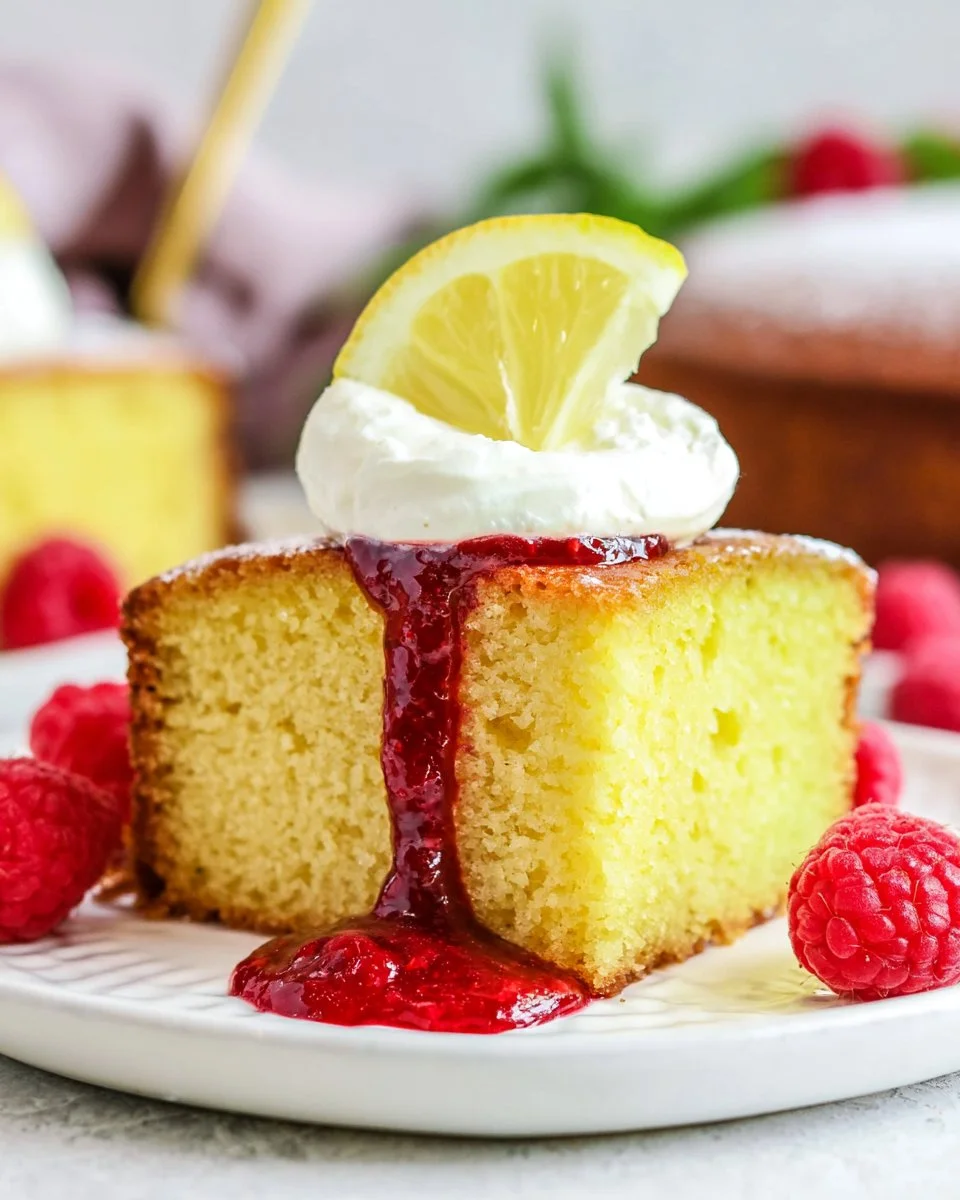
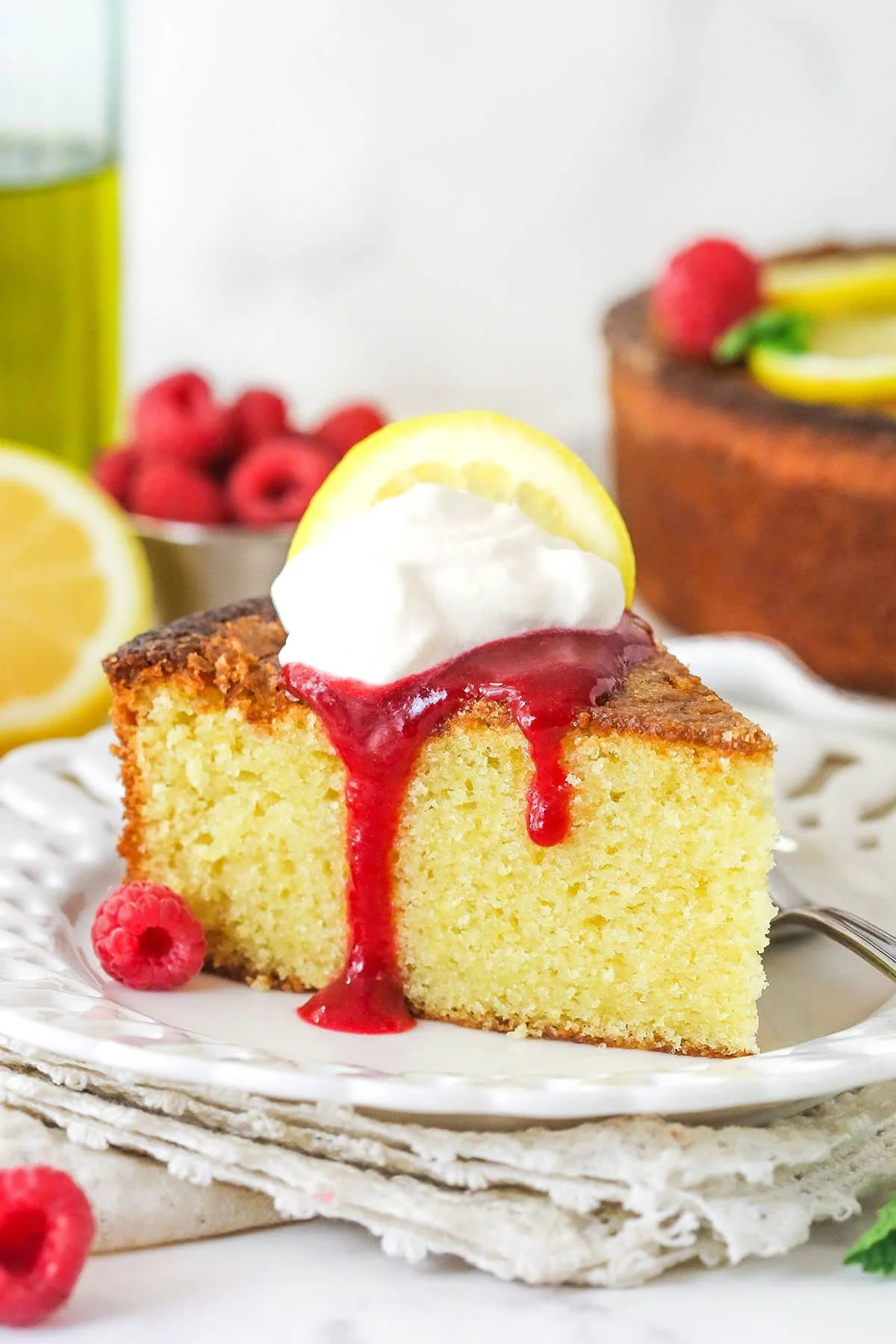
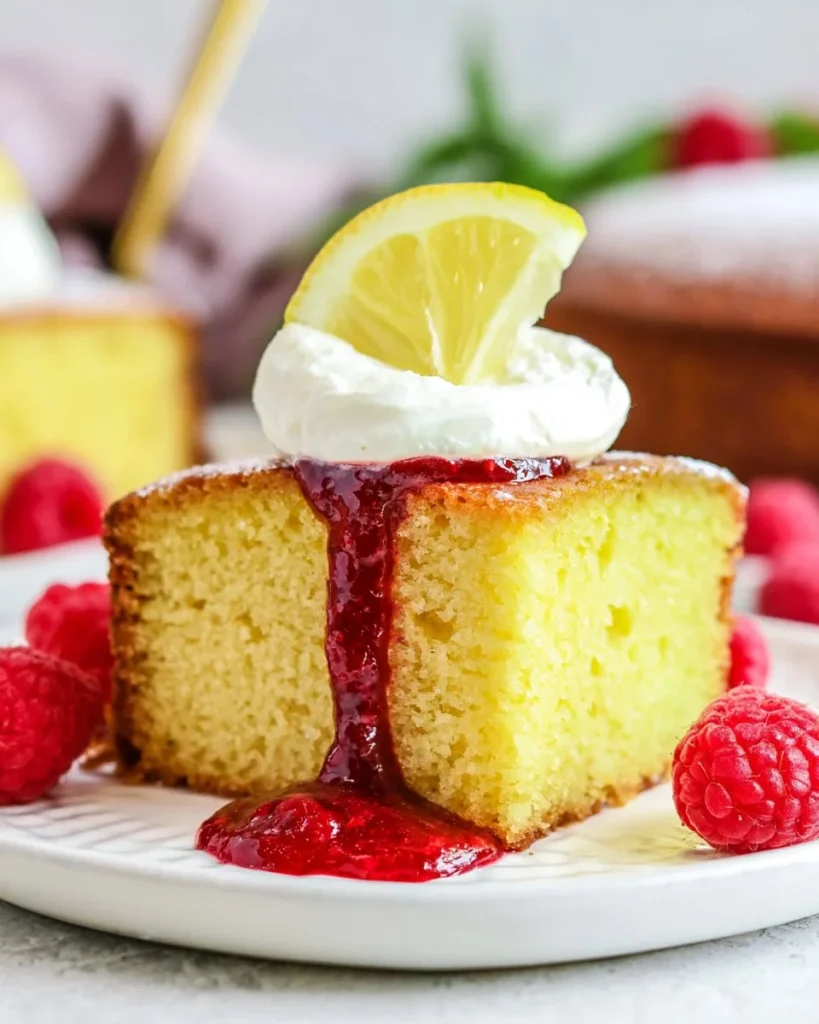
Olive oil cake is delightful when served slightly warm or at room temperature. Cut into generous slices and offer with a side of freshly whipped cream or a scoop of vanilla ice cream for an indulgent touch. It pairs wonderfully with a cup of coffee or tea, enhancing its sweet, citrusy notes. For a special presentation, garnish each slice with lemon slices and fresh raspberries. Dusting with powdered sugar adds a lovely visual appeal and a hint of extra sweetness.
Best Occasions for This Recipe
This Olive Oil Cake is perfect for various occasions, from casual brunches to formal dinner parties. Its sophisticated flavor makes it an ideal dessert option for celebrating birthdays or anniversaries. It’s also great for holiday gatherings where you may want something light yet festive. Whether you’re enjoying a cozy evening at home or inviting friends over, this cake adapts beautifully to any setting, making it a favorite for all occasions.
Make Ahead & Storage
Preparing your Olive Oil Cake in advance is simple and can save you time before events.
Meal Prep
You can prepare the batter a day ahead and store it in the refrigerator; just bring it back to room temperature before baking.
Refrigeration
If you have leftovers, the cake can be kept at room temperature for 4-5 days in an airtight container. Refrigeration is not necessary unless your kitchen is overly warm.
Freezing
This cake freezes well! Wrap individual slices in plastic wrap and then aluminum foil, storing them in a resealable bag. This way, you can enjoy a slice whenever you crave it!
Reheating
To reheat, simply pop a slice in the microwave for a few seconds or enjoy it cold—it’s delicious either way!
FAQs
Can I substitute other oils for olive oil? While olive oil is traditional for this recipe, you can experiment with other oils, such as canola or avocado oil, though they will alter the flavor.
Is the cake supposed to be dense? No! The cake should be moist and light. Be careful not to overmix the batter to achieve the right texture.
What can I do if my cake sinks in the middle? This typically happens due to underbaking or too much liquid. Make sure your oven is adequately preheated, and always perform the toothpick test.
Can I use gluten-free flour? Yes, you can use a gluten-free all-purpose flour blend as a substitute, but results may vary in texture.
How do I know when the cake is done baking? The cake is done when golden brown and a toothpick inserted in the center comes out clean. Start checking around 45 minutes.
Save This Recipe for Later
Don’t forget to bookmark this Olive Oil Cake recipe for a delightful treat whenever you desire something sweet and citrusy!
Final Thoughts
This Olive Oil Cake recipe proves that simple ingredients can create something extraordinary. The balance of flavors and textures makes it a beloved option for many. Whether you’re sharing it with friends or savoring it alone, this cake is sure to please. Happy baking!
Olive Oil Cake
Ingredients
Method
- Preheat the oven to 350°F (180°C) and prepare a 9" cake pan or springform pan by spraying it with non-stick baking spray and lining the bottom with parchment paper.
- In a medium-sized bowl, combine the all-purpose flour, baking powder, baking soda, and salt. Set aside.
- In a large mixing bowl, whisk together the olive oil, eggs, and granulated sugar until well combined.
- Mix in the vanilla extract, lemon juice, and lemon zest until everything is nicely blended.
- Add half of the dry ingredients to the wet mixture and stir until just combined. Then, add the whole milk and mix until well incorporated. Follow with the remaining dry ingredients and mix gently to avoid overworking the batter.
- Pour the batter into the prepared pan and evenly sprinkle the top with additional granulated sugar.
- Bake for 45-55 minutes, or until a toothpick inserted into the center comes out clean and the top is golden brown.
- If using a springform pan, allow the cake to cool in the pan for about 15 minutes before removing it. For a standard cake pan, let it cool partially in the pan before flipping it onto a cooling rack.
- Optionally decorate with lemon slices, raspberries, or a dusting of powdered sugar before serving. Store the cake in an airtight container at room temperature for optimal freshness.